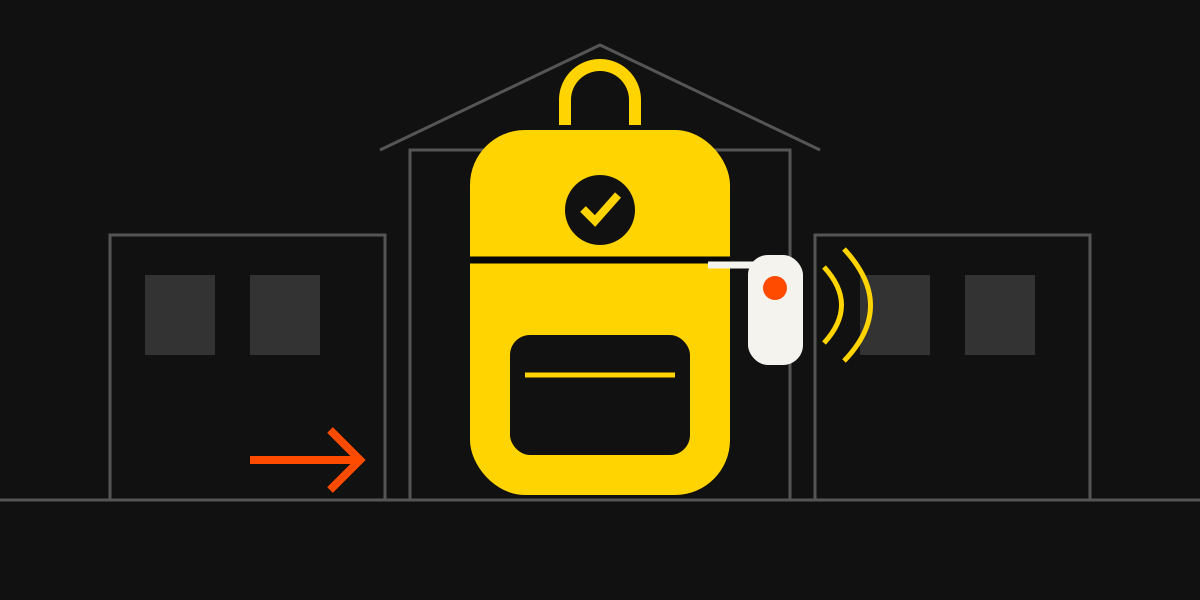

College gives you more independence, more places to be, and more decisions to make without a parent or familiar routine nearby. A practical safety plan is not about being afraid. It is about knowing your resources before you need them, keeping a few basics within reach, and giving yourself easier choices when a situation feels off.
Your campus has its own rules, alert system, escort options, residence-hall procedures, and emergency contacts. Start there. The U.S. Department of Education’s campus security guidance explains that colleges provide safety information, including crime statistics and resources, so it is worth reading your school’s current materials instead of relying on a generic social-media post.
The goal is simple: move toward help, leave when you can, and call for emergency assistance when there is immediate danger. A phone, an alarm, a flashlight, or a friend can support that plan. None of them replaces awareness, a safe route, or choosing to get help early.
Keep the plan personal. A commuter student may need a different routine from someone in a residence hall. A student with a disability may need an accessible route, a communication plan, or extra time to leave a building. Someone working a late shift may rely on a campus shuttle instead of walking. Good preparation is not about copying a list perfectly. It is about identifying the supports that make your own next step easier.
1. Learn your campus resources in the first week
Save your campus safety number, residence-hall desk number, and local emergency number in your phone. Find out whether your school offers an escort service, emergency call boxes, shuttle tracking, late-night transportation, or a safety app. Those resources vary by campus, so take five minutes to look at the official page and not just a flyer from orientation.
Sign up for your school’s official emergency alerts and make sure the notification settings on your phone allow them through. Learn where your school posts weather closures, security notices, and instructions during an emergency. The Department of Education explains its emergency notification expectations for colleges, but the method and instructions are specific to each institution.
Walk the routes you expect to use after dark: your residence hall, library, parking area, transit stop, workplace, and favorite study spot. Notice staffed buildings, blue-light phones if your campus has them, lit entrances, and places where you could ask for help. You are not trying to predict every bad outcome. You are making the next useful step familiar.

2. Make a plan for getting home
Before you head out, decide how you will get back. That could mean walking with a friend, catching the last campus shuttle, using an escort program, arranging a rideshare, or sharing a pickup plan with someone you trust. A plan works best when it is settled before you are tired, distracted, or trying to leave a crowded event.
Tell a friend when a plan changes. A short message such as “I’m leaving the library now, heading to Oak Hall” gives someone useful context without turning your night into a check-in marathon. If you are meeting someone new, choose a public place and keep your own transportation option. You do not owe anyone a ride, a walk home, or an explanation for leaving.
If a setting stops feeling right, leaving is enough reason. Move toward a well-lit, staffed, or public space. Ask a specific person for help when you can: “Can you stay with me while I call campus safety?” Clear requests are easier for bystanders to understand and act on.
Do not let a dead phone turn a minor problem into a harder one. Charge it before a long day, carry a compatible backup battery if that fits your routine, and keep key contacts available. A phone is most useful when you can reach it without digging through a bag.
3. Keep your room and belongings secure
Lock your door when you leave and when you are inside, even if you are only stepping down the hall. Do not prop open exterior or residence-hall doors for convenience. A door that stays unlocked for one person can create access for anyone, including someone residents do not know.
Keep room keys, ID cards, and access fobs under your control. If one is lost, report it promptly through the school’s process. Avoid leaving a spare key under a mat, taped near a door, or in an obvious bag pocket. If you share a room, agree on how you will handle visitors, package pickups, and late returns so neither person has to guess.
In a new building, locate the stairwells, exits, and fire alarm. Read the posted evacuation instructions and follow residence-life guidance during drills. A campus emergency is not the time to test whether an elevator is operating or to go back for a laptop, headphones, or laundry.

4. Build a small everyday carry routine
Keep the items you use to get home in the same accessible place: phone, keys, student ID, transit pass, and any permitted safety device. A routine matters more than a pile of gear. A flashlight can help you see a dark path or find a dropped key. A charged phone can help you call, share your location with a trusted person, or use a school resource. Your keys are for access, not a plan for confrontation.
A personal safety alarm can make a loud sound to attract attention. It may be a sensible option if you understand its controls, carry it where you can reach it, and use it as part of a plan to move toward help. Read the exact product instructions and check your school’s rules before carrying it. A basic alarm does not call 911, send a location, or guarantee that someone will respond.
For many students, a simple alarm is a lower-contact option than a chemical or electrical device. If you carry any defensive product, understand its limits, storage requirements, and local rules. Do not test live spray indoors, do not point a device at another person, and do not move closer to a threat just to use something you brought.
Our personal safety alarm guide can help you compare everyday carry considerations. The wider Safety Guide covers how tools fit into layers of preparation.

5. Be clear about parties, rides, and alcohol
Before a party or off-campus event, make a return plan and tell someone you trust where you expect to be. Arrange a sober ride or another safe route home before you arrive. If the person responsible for the ride drinks or leaves, your backup plan should be ready without needing permission from the group.
Keep your drink with you, do not accept an open drink from a stranger, and leave if the mood changes. These are practical steps, not promises that someone can prevent another person’s harmful behavior. Responsibility always belongs to the person who causes harm, never to someone who was socializing, drinking, trusting, or simply trying to get home. RAINN’s campus guidance makes the same essential point: no safety strategy can guarantee that sexual violence will not happen.
Watch out for friends without taking control away from them. A useful check-in sounds like, “Do you want to leave together?” or “What would help right now?” If someone is unconscious, having trouble breathing, or in immediate medical danger, call 911. NIAAA’s overdose guidance describes warning signs and urges immediate medical help. Follow the dispatcher’s instructions and seek on-site help quickly.
6. Use awareness without blaming yourself
Looking up from your phone in a parking area, taking out headphones when you need to orient yourself, and noticing who is around you can make it easier to choose a safer path. Those habits are about keeping options open. They are not a guarantee, and they do not make someone responsible for another person’s choices.
Trust your internal signal when something feels wrong. You do not need to prove that a stranger is dangerous before you cross the street, enter a busy building, call a friend, or ask an employee to stay nearby. Changing direction is not rude when your safety is the concern.
Keep distance when you can. If a person is following or bothering you, do not lead them to your residence hall or apartment. Move toward a staffed business, campus building, or group of people, and call campus safety or 911 if you believe you are in danger. If you need help, say it plainly and name what you need.
7. Know what to do in an emergency
During an immediate emergency, follow directions from campus officials and first responders. The safest response depends on the location and the nature of the situation. Your campus emergency materials will explain its alert system, evacuation practices, and assembly locations. Read them ahead of time, when you can absorb the details calmly.
For an immediate threat, call 911 as soon as you can do so safely. Share your location first, then describe what happened and follow the dispatcher’s instructions. The Department of Education’s higher-education guidance emphasizes that plans should account for accessible routes and the needs of people with disabilities, so build your own plan around the routes and supports that work for you.
When there is no immediate emergency but you need support, use the school’s non-emergency campus safety contact, residence-life staff, counseling resources, or Title IX office as appropriate. Save these contacts before you need them. You deserve help even if you are unsure whether an experience “counts” as serious enough.
8. Choose tools that support the plan
Safety Tech Devices offers personal alarms and other personal-safety options for adults. Start with your routine, the places you actually go, and the rules that apply where you live, study, and travel. Choose a tool you can carry responsibly and learn safely. The purpose is to support your ability to leave and get help, not to make you feel obligated to confront a threat.
Review the personal safety collection and individual product instructions before buying. For pepper spray or stun devices, check the pepper spray laws guide and stun gun laws guide for questions to verify locally. A practical plan always comes first.
Your campus safety check
- Save campus safety and emergency contacts.
- Turn on official school alerts.
- Identify a staffed place and safe route near your regular stops.
- Make a backup plan for getting home.
- Keep your phone charged and your room secured.
- Carry only tools you understand and are allowed to have.
- Tell someone early when a situation feels wrong.
Review the list at the start of each term, after moving, or when your schedule changes. Preparedness should make everyday life easier, not smaller.
Frequently asked questions
What are the most important safety tips for college students?
Start by learning your campus resources, saving the right emergency contacts, sharing plans with trusted people, and knowing how you will get home. Small routines, such as charging your phone and locking your room, are more useful than relying on one device or one reaction.
Should college students carry a personal safety alarm?
A personal safety alarm can help draw attention when it is accessible and used as part of a plan to move toward people and get help. Check campus rules and the exact product instructions. An alarm does not call 911, guarantee a response, or replace situational awareness.
What should I do if I feel unsafe on campus?
Trust the feeling enough to change your plan. Move toward a staffed, public place, contact campus safety or 911 if there is an immediate threat, and use a campus escort service when one is available. You do not need to wait for proof that a situation is dangerous before choosing a safer route.
How can students prepare for a campus emergency?
Read the school’s emergency information, sign up for official alerts, identify exits and gathering points in the places you use most, and follow instructions from campus officials during an emergency. Plans differ by campus, so use your own school’s guidance rather than relying on a generic checklist alone.